In an interview with Tres Grifería, interior design photographer Julen Esnal delves into his work capturing the work of architects and interior designers .
From an early age, photography aroused great interest in Julen Esnal, although his passion for this art form came years later. "There were two key moments in my life. One, as a teenager when I first visited the Guggenheim Museum in Bilbao. From the moment I saw its atrium, I knew that architecture had hooked me, and the need to know how to portray it was born in me. The other moment came years later, when during a year-long trip around the world I felt the need to be able to reveal the best of every space. So, as soon as I returned to Spain, I decided to train professionally in this field and joined the IEFC school in Barcelona."
Since 2015 you have done numerous photo shoots for architecture and interior design studios. You have also been chosen as a trusted photographer for Google Street View. How has the world of professional photography changed in recent years with new platforms and social networks?
Let's just say it has been a before-and-after for everyone, for sure. Most notably since the pandemic, because the platforms and the ways of interacting with clients, colleagues and others have mushroomed. The new landscape is very inspiring, and it also forces you to stay attentive and up to date, you have to stay in shape... All of this enriches the work, it helps you to improve.
As for social networks, as a communication tool, they have become vital. Both for our clients, who are increasingly aware of the importance of professional and meticulous photography, and for ourselves, who are able to present ourselves without the limitations of space or location. Today you might work here, and tomorrow who knows where; the great value of networks is that they allow you to be permanently connected with your clients.
Do today's interior design/architecture studios consider photography alone sufficient to showcase their work? Do they also use new or different formats?
For many of my clients today, photography is still key. It's true that video is clearly and rapidly on the rise; it is a very direct way to connect with the end user. Photography has the advantage of the static image, which allows you to analyse and recreate the space, to look at the details. I think for that reason, photography will always go hand-in-hand with video. Every format has its role to play.
Fortunately, in this sector, the image of the spaces is usually given a lot of attention, and this increases the demand for a variety of formats, so they can be used on different platforms.
What role does stylisation play in your photographs?
Getting the style right is just as important as taking a technically correct photo. Clearly, a professional photographer's eye is used to seeing a space and knowing how to get the best out of it to convey that ambience, but if the space is dressed, you obviously multiply the sensations and impressions of the end user. It is essential.
Most of the time this element isn’t present, and it is the photographer himself who is obliged to provide this more appealing and welcoming touch, with the aim of capturing the viewer's attention.
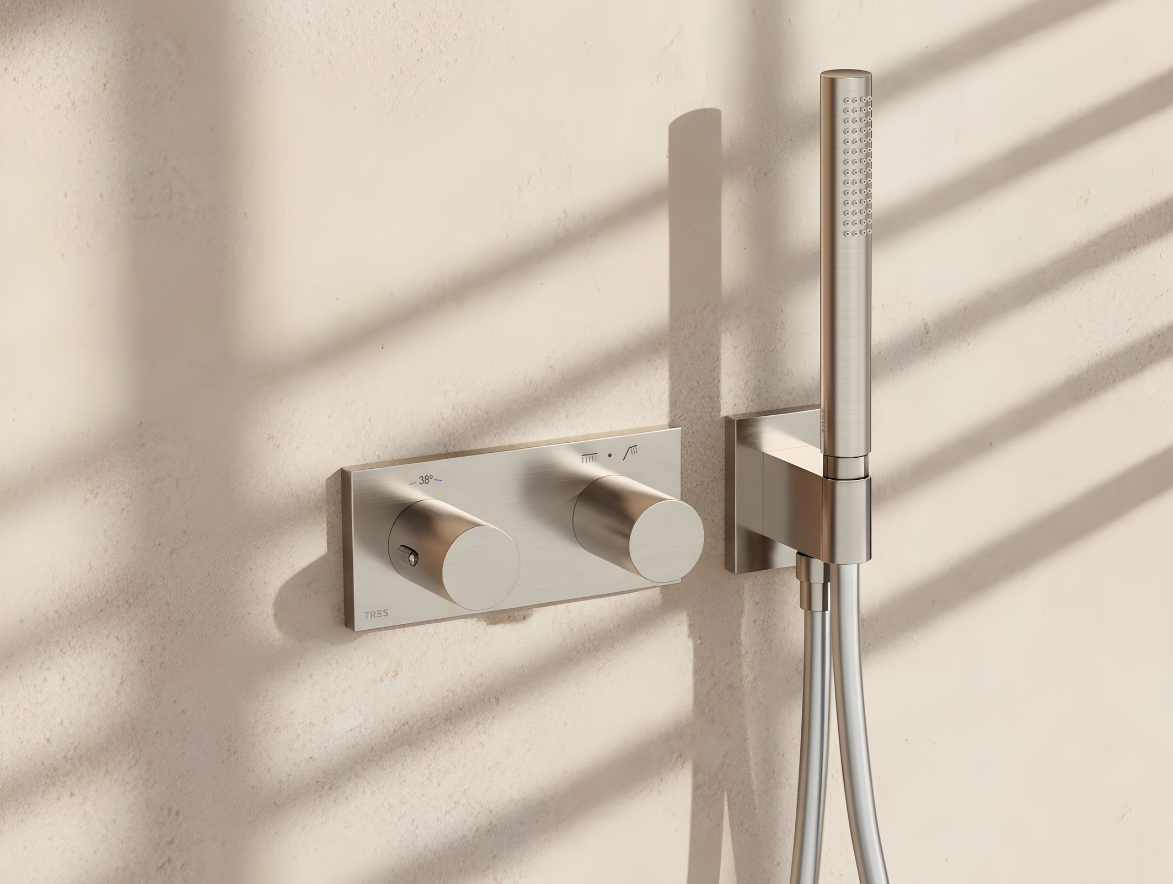
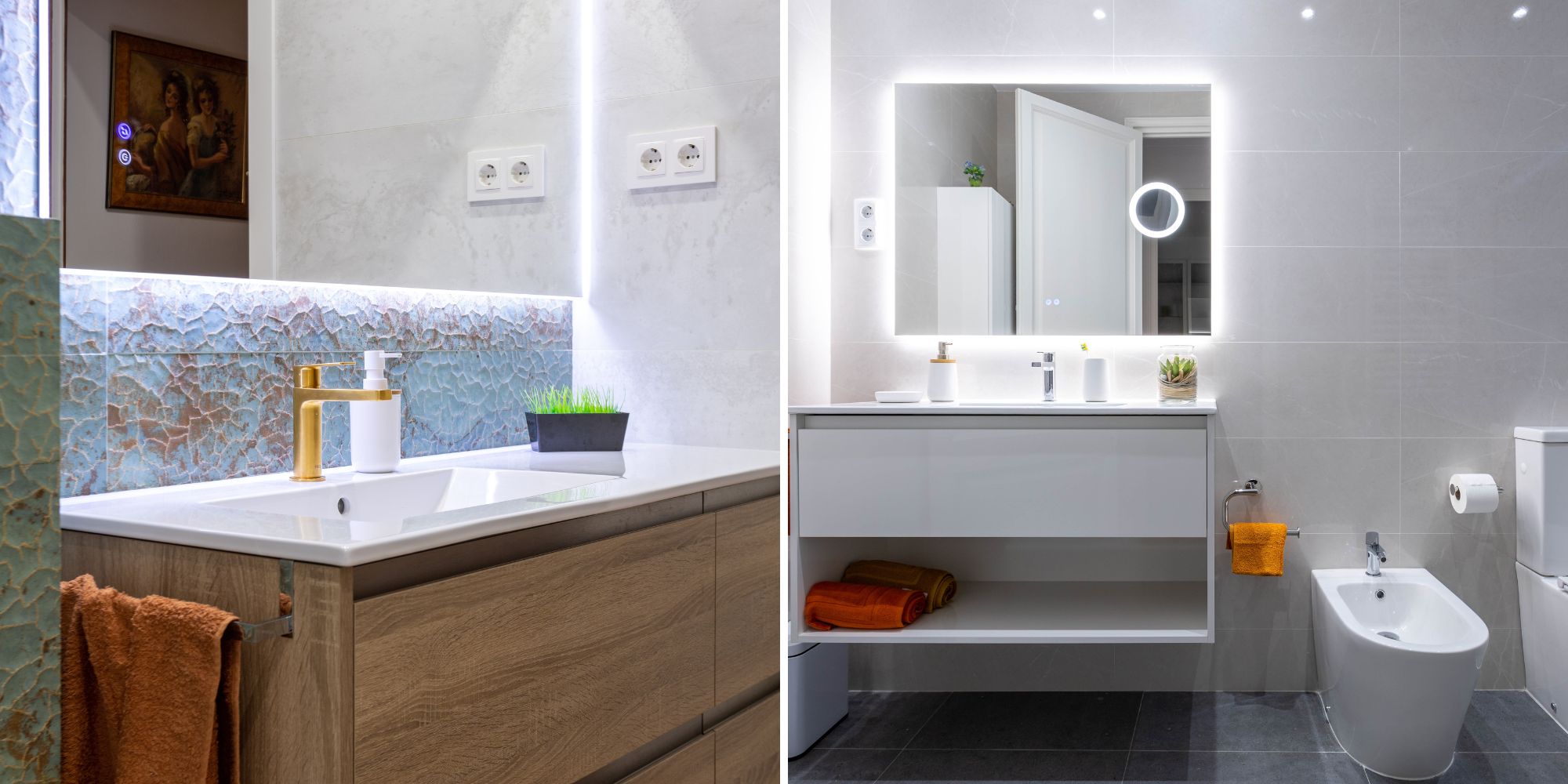
In some of your projects you have photographed Tres taps. What role does a designer tap play in a photograph of a bathroom or kitchen?
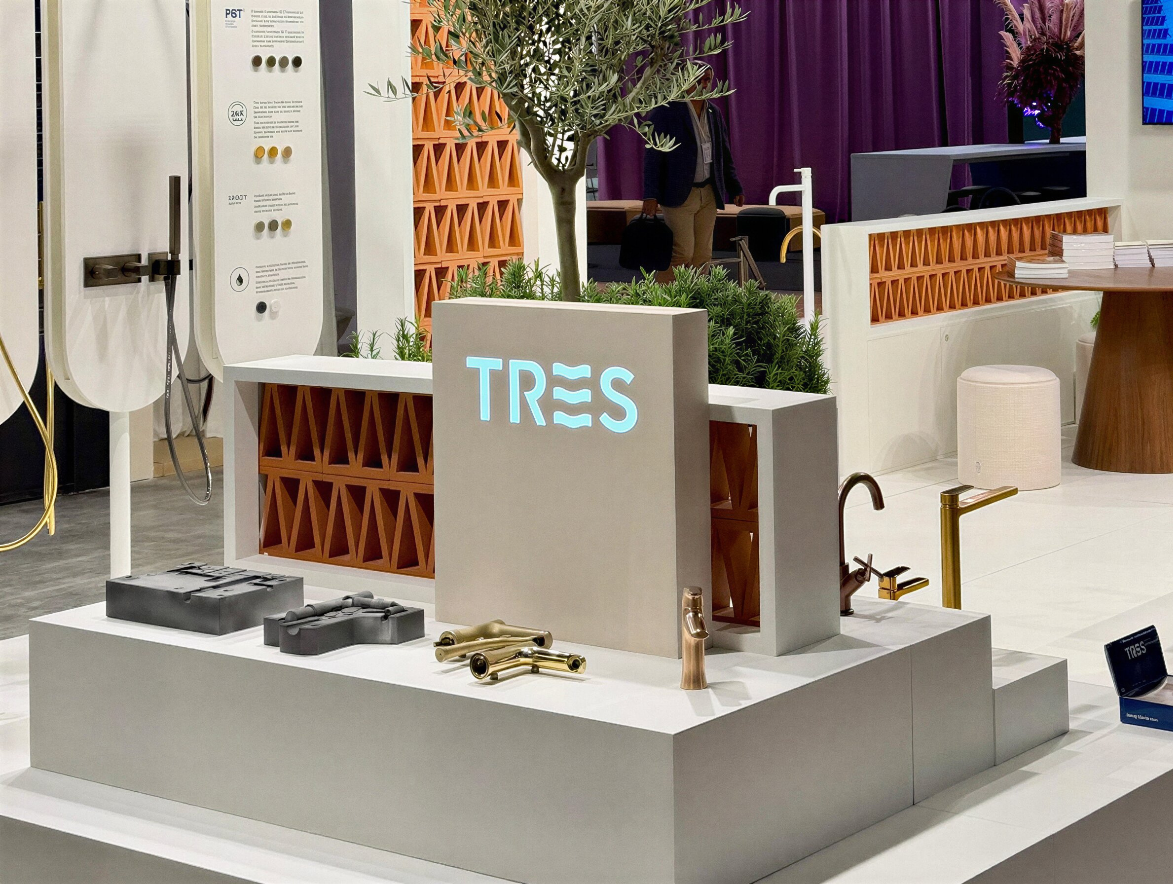
Taps are one of the essential elements of any interior design project and the one that, as professionals, we always look at. Through the design of the taps, part of the soul of the space is conveyed; they create style and reflect the type of person who lives there. Modern, classic, romantic, futuristic... there are thousands of options, and Tres has a very versatile and wide range. Some of my regular customers work with Tres Grifería for most of their projects, not only on account of their impeccable designs, but also for the speed of delivery and their highly professional technical service. In general, they highly value the confidence Tres conveys in every respect.