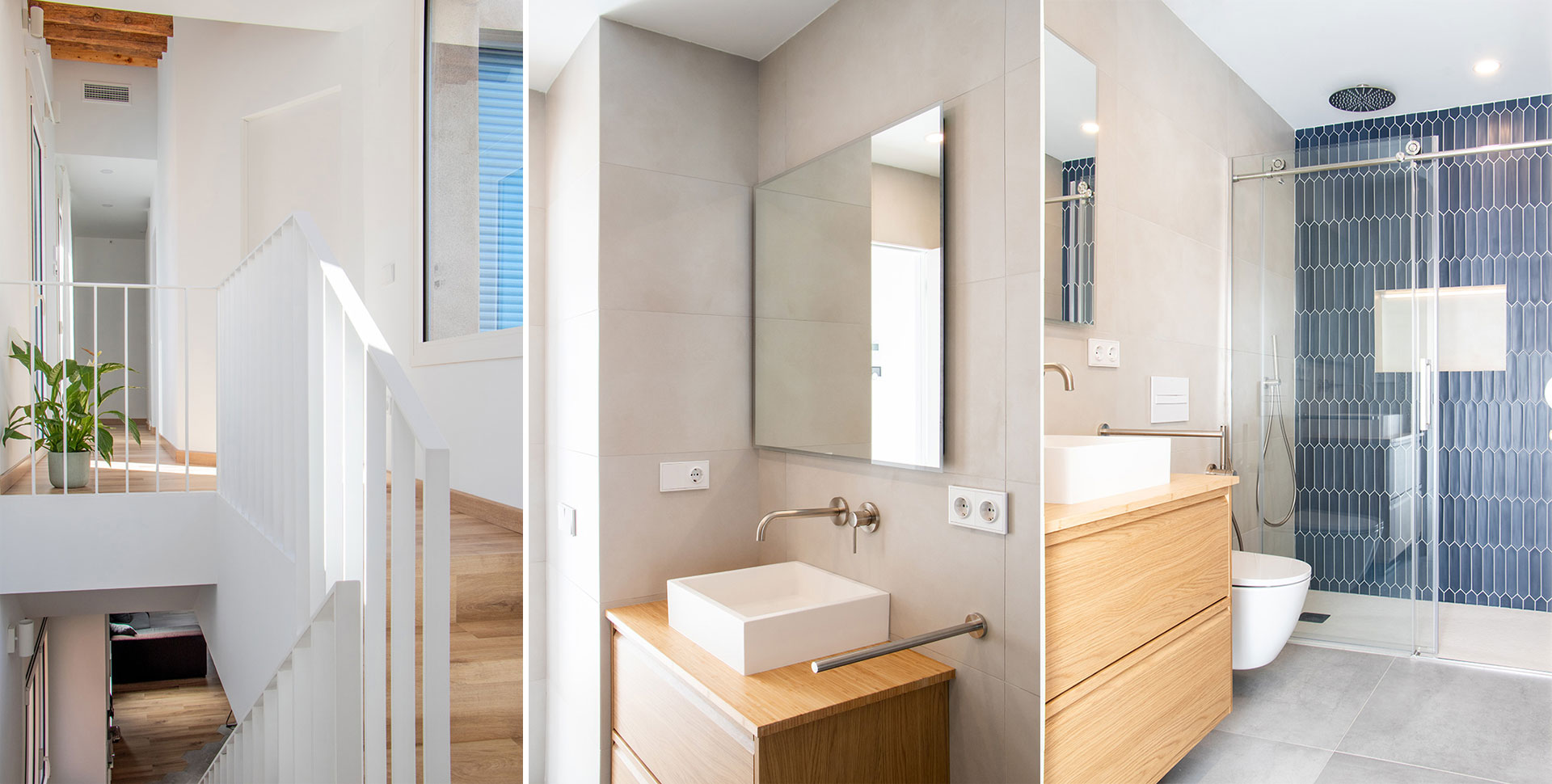
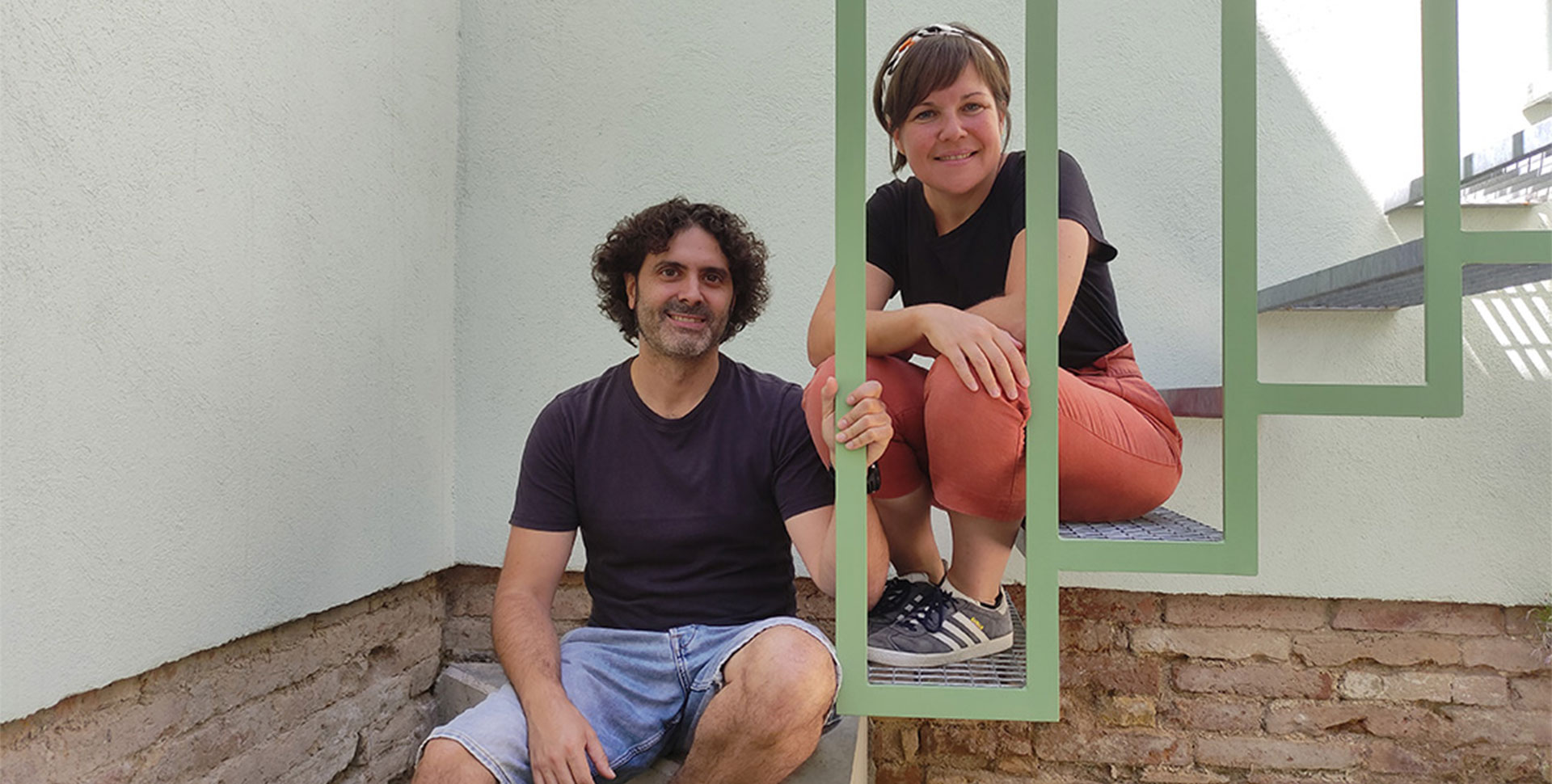
In this new interview on the Tres blog, we talk with Badiu Arquitectura, a studio that sees design as a gesture of sensitivity. Their philosophy is based on creating serene, luminous, and meaningful spaces where everyday life flows naturally. They discuss the essential role of the bathroom, their understanding of comfort, and how the environment guides each of their decisions.
How would you describe Badiu Arquitectura’s philosophy in one sentence?
Badiu is an open space where you can enjoy architecture.
What does it mean to design “serene, light-filled, and meaningful” spaces?
Designing is about thinking how the person who lives in the space will feel. It’s not just about building or solving functions but about creating atmospheres. Serenity is expressed through small gestures: how the light comes in in the morning, the silence, how materials age. Light not only illuminates, it also organizes, transforms, and brings warmth. Meaning arises when everything serves life. We want each person to recognize themselves in the space and live at their own pace.
How important is the bathroom in your projects? Do you conceive it as a technical, intimate, or wellness space?
It’s a personal refuge. A place to take time for oneself. That’s why it must be private, safe, and deeply relaxing. We design with careful attention to lighting, materials, and optimal layout. We care about aesthetics and functionality going hand in hand. Also, listening to the client and experiencing the project with them at the end allows us to constantly improve our perspective.
What criteria do you follow when selecting faucets and bathroom elements?
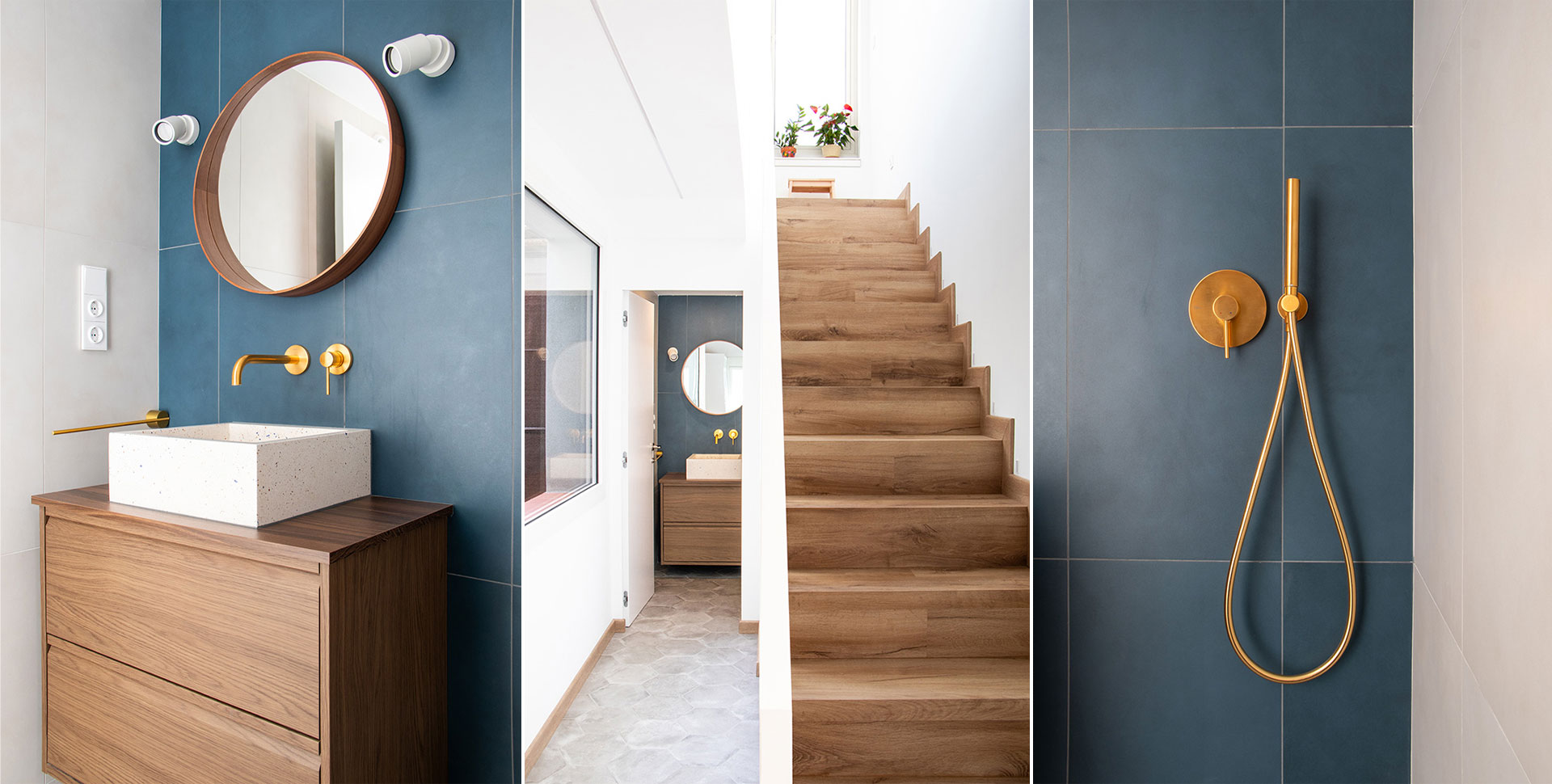
We look for a combination of aesthetics, functionality, durability, and sustainability. Faucets should integrate coherently into the overall design: clean lines, refined finishes, ergonomics, efficiency, and quality. We prioritize recognized brands that ensure a long service life, like Tres, which also adds value by being a local brand.
Your projects have a strong connection with the natural environment. How does that influence interior design?
The relationship with the landscape is a starting point. Every interior decision—materials, colors, layout, faucets—reinforces that connection with the outside. We use a palette that dialogues with the immediate environment and allows interior spaces to breathe the same language as the landscape. Interior design doesn’t separate; it stitches. It helps create continuity and translates place into sensory experience.
What role do materials and textures play in the perception of comfort?
Fundamental. Comfort is built through direct contact with materials. They are not only seen—they are felt and heard. We work with honest, durable materials that age well and provide warmth without artifice. For us, comfort arises from well-thought-out architectural decisions and materials that dialogue with both the environment and the body.
What interior design trends do you think will shape the future of residential design?
More than trends, we see an evolution toward the essential, the honest, and the conscious. Versatile spaces, natural materials, and a greater connection with the landscape. The experience of living will be valued more than image. Interiors will tend to open up and breathe. What’s coming is a more attentive, sensory, and sustainable architecture.
Is there a project that has especially marked you?
Building our own homes has been the most intense and revealing experience. It’s the moment when you push your knowledge, intuition, and passion to the limit. You can experiment, take risks, innovate. Every decision has a personal meaning. It’s been a process that has transformed us as architects and as people.