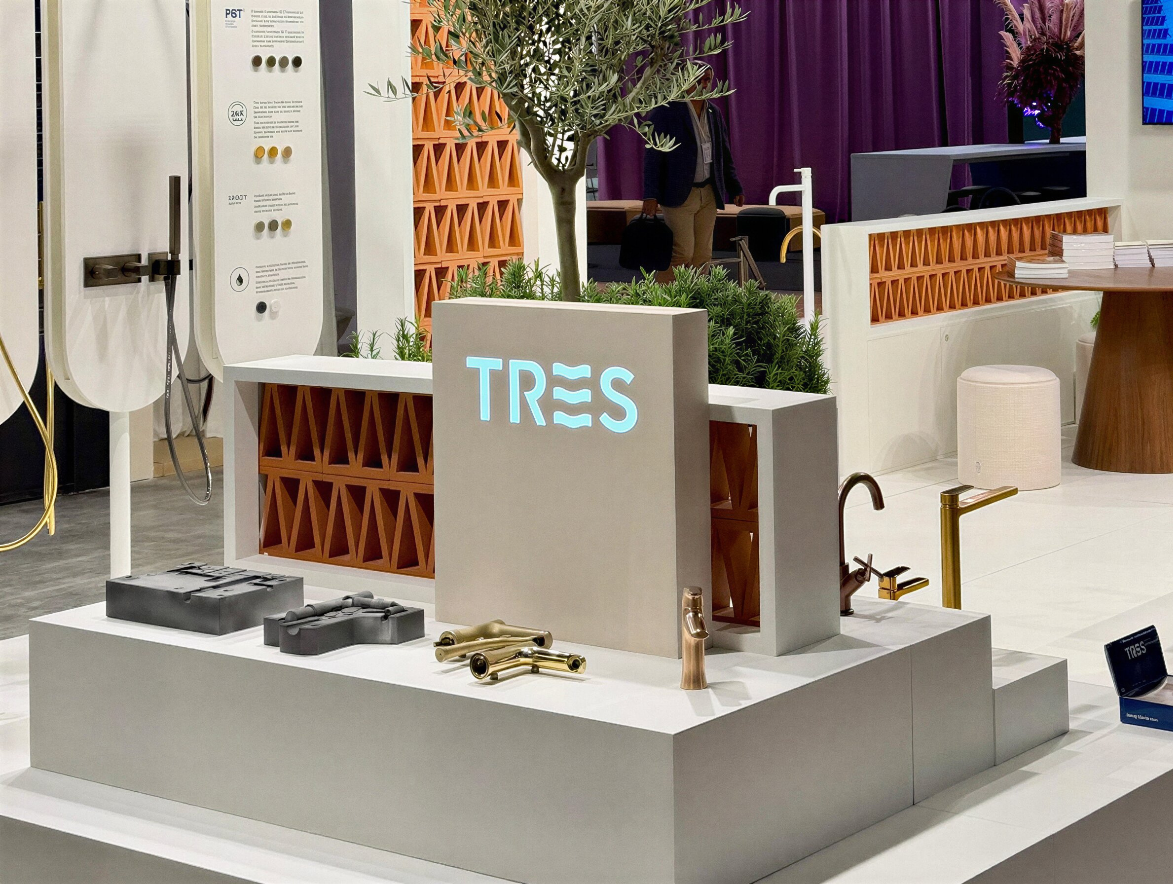
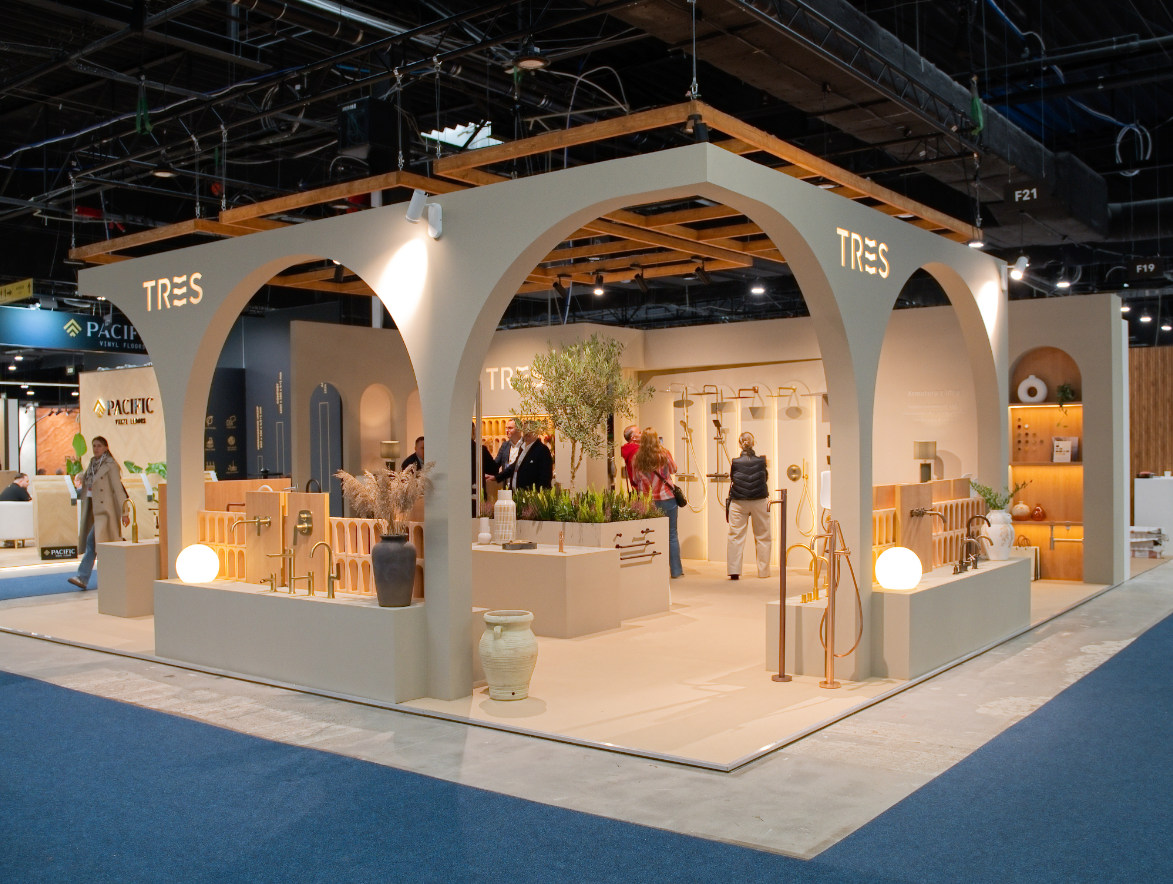
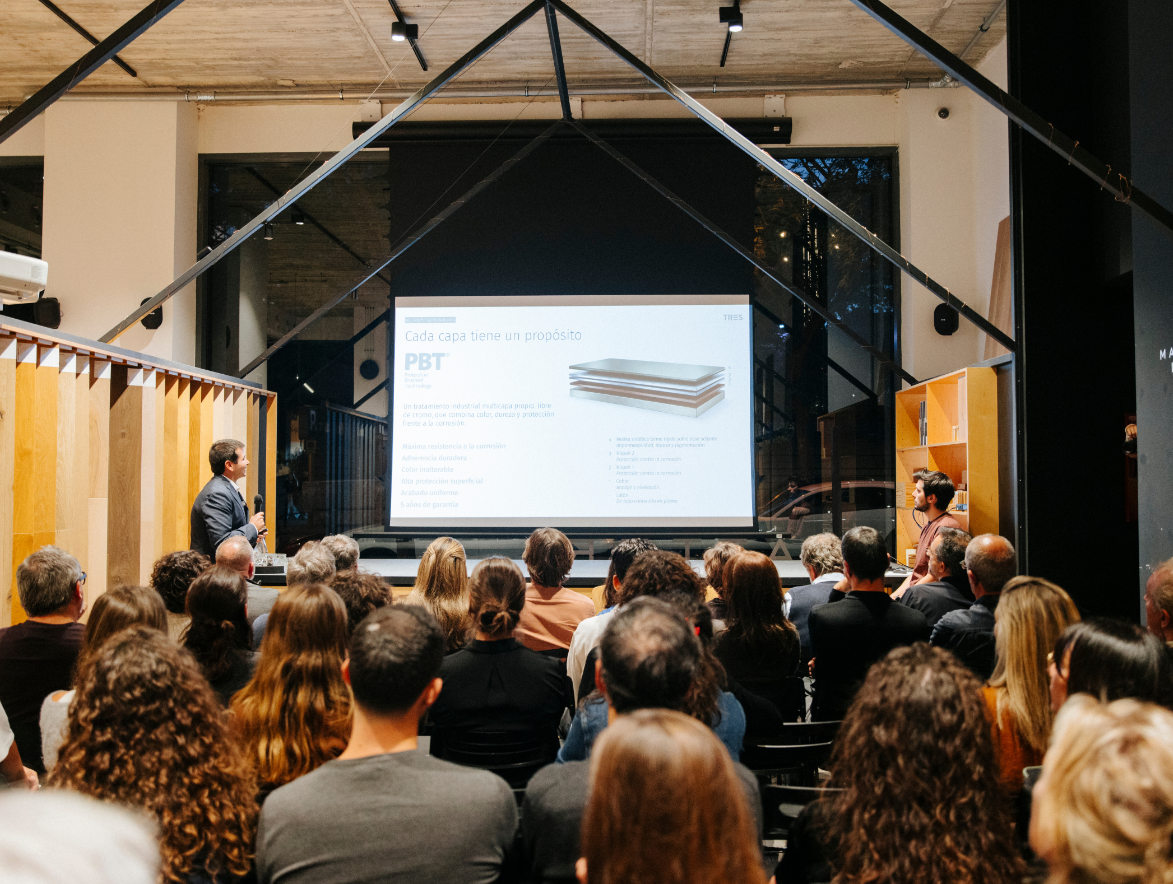
In contemporary bathrooms, attention is usually focused on architecture, wall and floor coverings, or tapware. However, there are elements that, without seeking prominence, sustain the coherence of the space day after day: accessories.
Materials and finishes are not secondary decisions. They are choices that determine how a project ages and how its identity is maintained over time.
Designing for time, not for trends
Accessories are in direct contact with everyday use. They are touched, supported, and used several times a day. For this reason, both the material and the surface treatment must respond to a logic of permanence.
Choosing well means opting for surfaces that:
- Maintain their formal definition over the years.
- Do not lose visual coherence as a result of natural wear.
- Accompany the evolution of the space without becoming outdated.
A well-resolved project is not the one that makes an impact on the first day, but the one that continues to convey quality years later. And here, finishes play a silent yet decisive role.
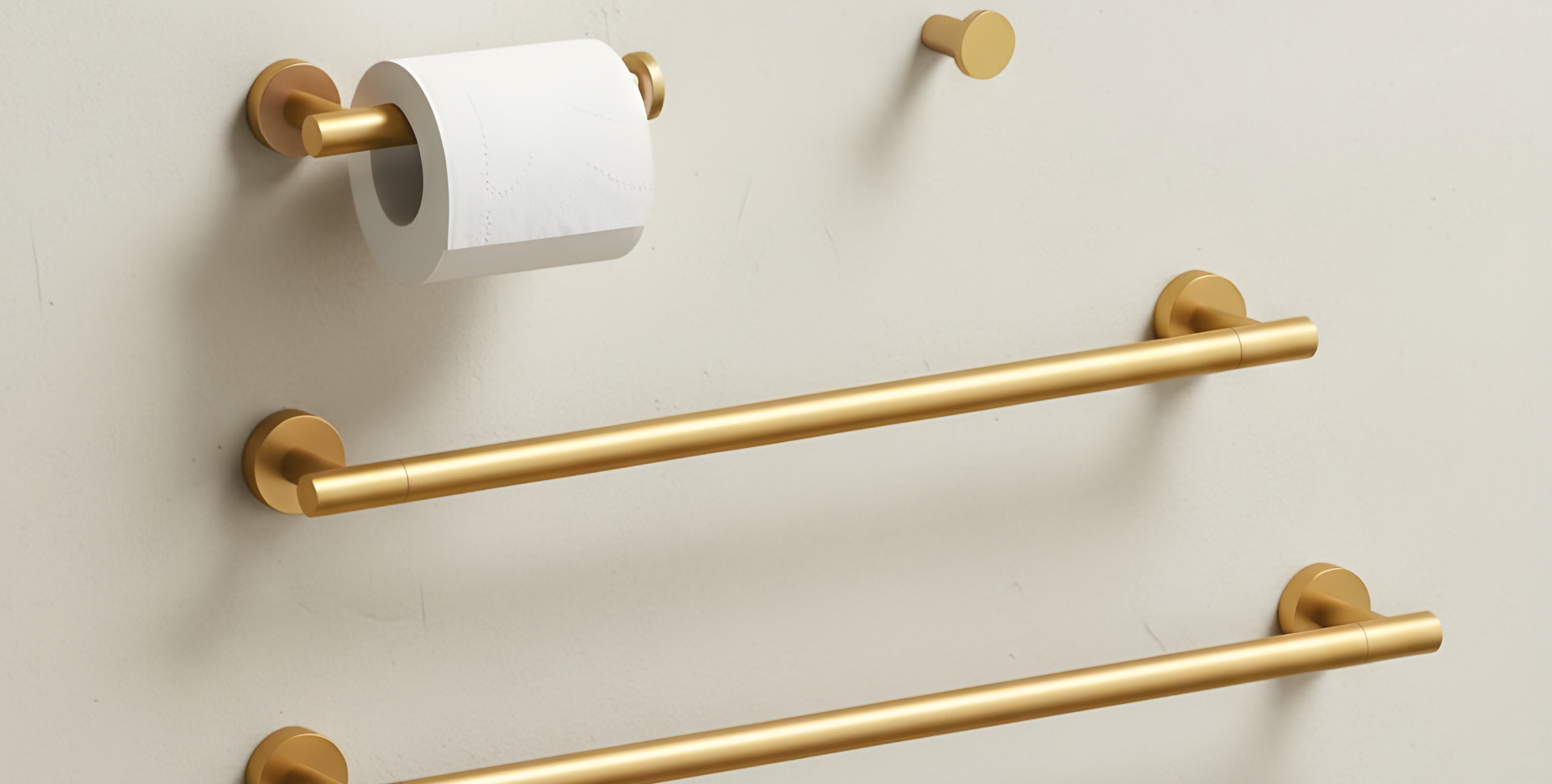
Continuity as a design criterion
A bathroom is perceived as a whole when its elements share the same material language. When accessories dialogue with the tapware and other metal elements, the space gains clarity and precision.
Continuity does not imply rigid uniformity, but coherence:
- Controlled repetition of materials.
- A balanced relationship between surfaces.
- Visual integration without unnecessary disruptions.
Accessories can reinforce this narrative or fragment it. For this reason, their selection should not be left until the end of the project, but understood as part of the initial design approach.
At Tres, each accessory is conceived as part of a complete system. Because design is not built solely on statement pieces, but on consistent decisions that retain their value over time.