Reducing maintenance in hotels does not depend solely on the type of faucet, but on choosing solutions designed to withstand intensive use. Factors such as materials, finishes, and corrosion resistance have a direct impact on durability, cleanliness, and operational costs.
In this context, concepts such as passive hygiene and advanced coating technologies help minimize technical interventions and improve long-term efficiency.
How to Reduce Maintenance in a Hotel with Faucets?
- Choose materials resistant to corrosion and limescale
- Prioritize durable, non-porous finishes
- Reduce mechanical complexity where possible
- Opt for easy-to-clean solutions
- Adapt faucets to actual intensive usage
- Incorporate systems that promote passive hygiene
These decisions have a greater impact on maintenance than technology alone.
The Real Cost of Maintenance in Hotels
Faucet maintenance in hotels goes far beyond fixing occasional breakdowns.
- Wear and tear from intensive use
- Corrosion in humid environments
- Limescale and dirt buildup
- Frequent cleaning with chemical products
- Premature replacement of parts or finishes
Each intervention involves time, resources, and often directly affects the guest experience.
Types of Faucets and Their Impact on Maintenance
Sensor-Activated Faucets
They reduce contact and improve hygiene, but may require specialized technical maintenance and depend on electronic components.
Timed Faucets
They limit water usage and prevent prolonged use, although they may require periodic adjustments and include components subject to wear.
Optimized Mechanical Faucets
When properly designed, they offer high durability, easier maintenance, and reduced technological dependency. In many hotel projects, this option proves more efficient in the long term.
The Key Factor: Finish as a Maintenance Driver
Beyond the type of faucet, one of the most influential elements in maintenance is the finish.
Today, finishes are not just aesthetic—they are a technical feature that determines corrosion resistance, ease of cleaning, visibility of stains, and overall product durability.
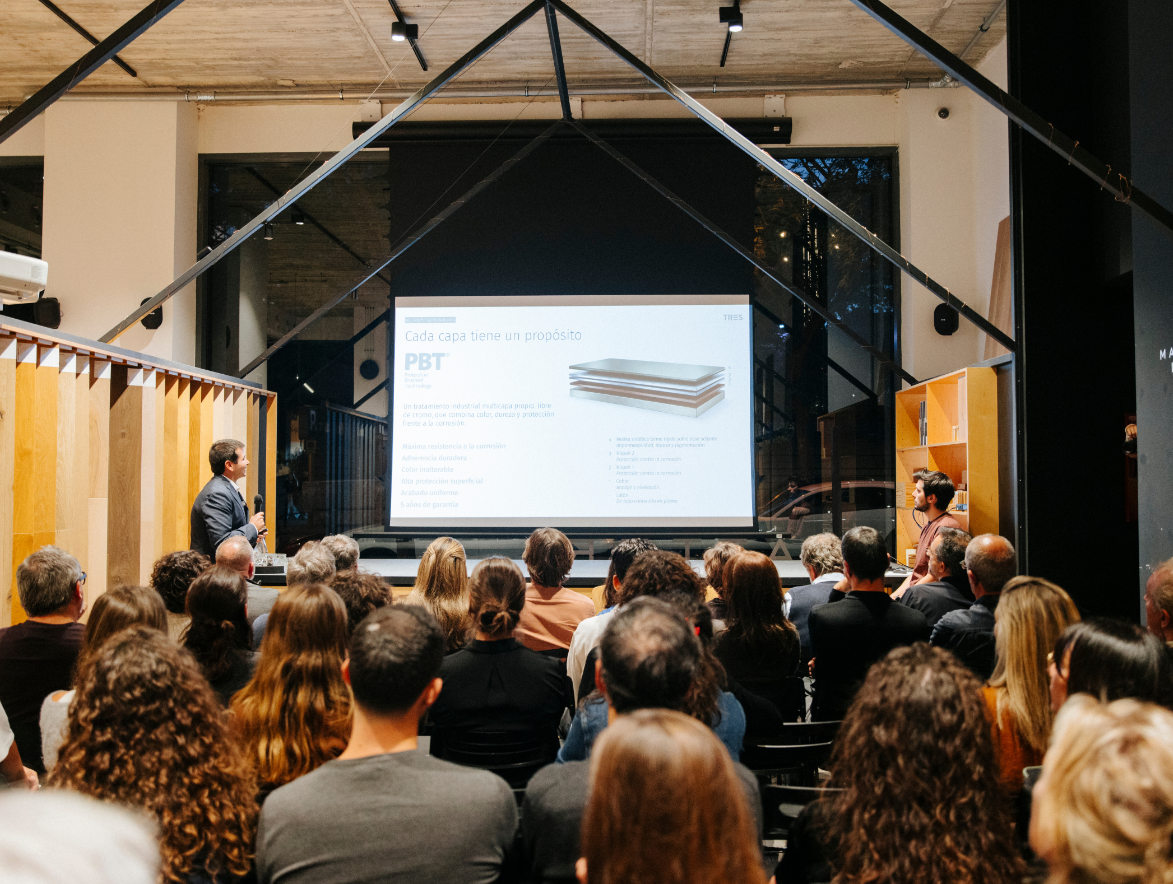
According to the technical dossier of PBT®, advanced finishes play a key role in reducing maintenance needs and cleaning frequency in high-demand environments.
PBT®: Reduced Maintenance Through Passive Hygiene
The PBT® (Protection Brushed Technology) finish introduces a differentiated approach based on passive hygiene.
This is a multilayer coating that enhances surface performance without requiring active intervention.
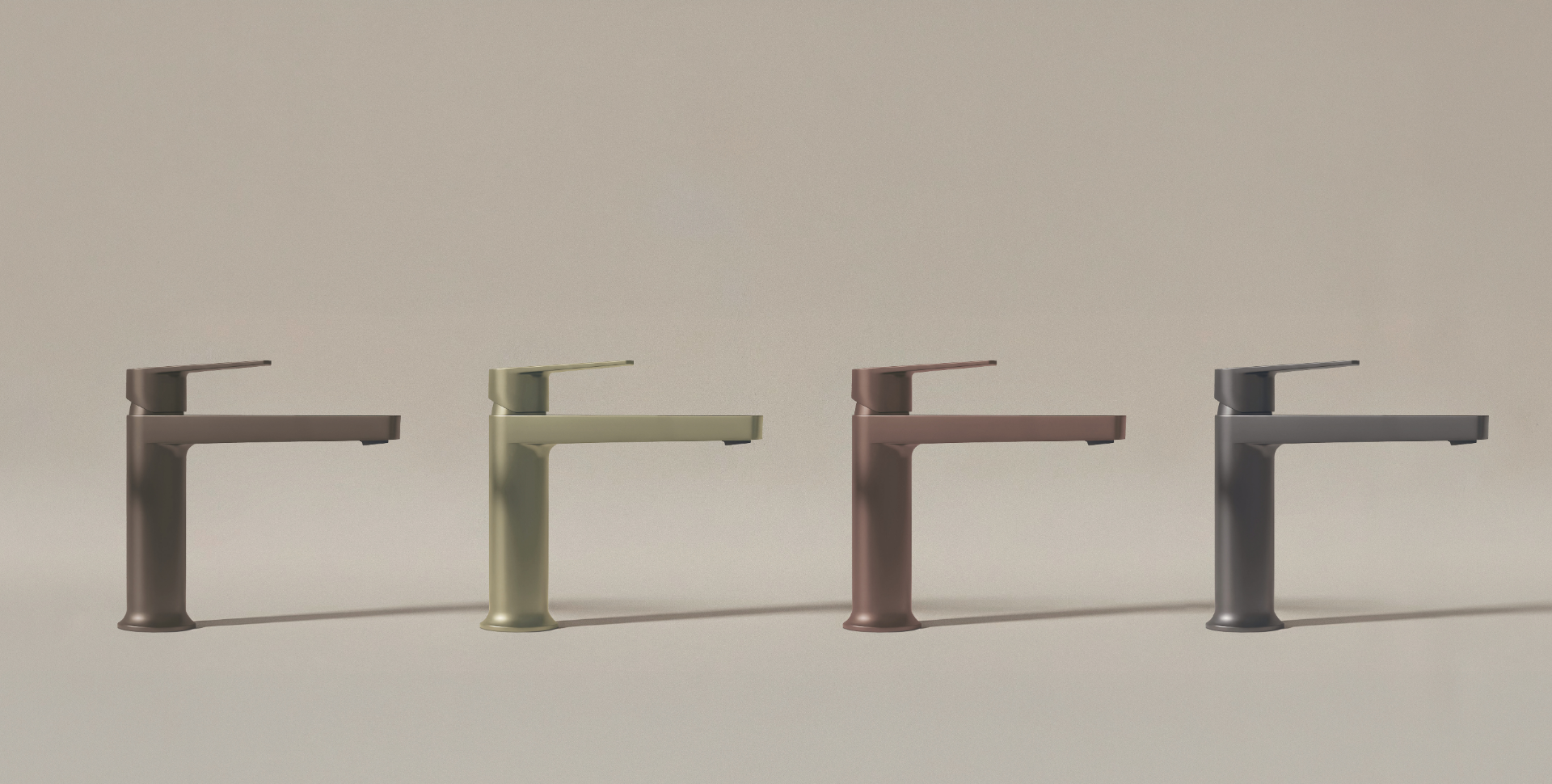
What Does Passive Hygiene Mean?
- Prevents dirt and limescale adhesion
- Reduces stain accumulation
- Minimizes the need for intensive cleaning
- Lowers the use of chemical cleaning products
The faucet remains in better condition on its own, reducing maintenance needs.
Advantages of PBT® in Hotel Projects
- Continuous, non-porous surface that reduces visible dirt
- Fingerprints and stains are barely noticeable
- Reduced maintenance and cleaning requirements
- High corrosion resistance
- Greater durability under intensive use
The multilayer system improves adhesion and prevents premature wear, maintaining the original appearance for longer.
Benefits of Maintenance-Focused Faucets
- Up to 30% reduction in maintenance
- Less need for intensive cleaning
- Savings on chemical products
- Longer product lifespan
- Fewer incidents in hotel rooms
- Improved hotel sustainability
Standard Faucets vs Advanced Finish Faucets
| Feature | Standard Faucets | PBT® Faucets |
|---|---|---|
| Maintenance | Medium-high | Reduced |
| Corrosion resistance | Standard | Very high |
| Cleaning frequency | Frequent | Less frequent |
| Fingerprints and stains | Visible | Minimal |
| Lifespan | Medium | High |
How to Choose the Best Faucets to Reduce Maintenance
- Hotel usage intensity
- Water conditions (limescale, humidity)
- Available maintenance resources
- Need for long-term durability
- Importance of aesthetics and their preservation
In many cases, choosing solutions with advanced finishes reduces operational costs without increasing technical complexity.
Practical Example: Reducing Maintenance Through Better Finishes
A high-traffic hotel replaces standard faucets with models featuring durable finishes and optimized surfaces.
- Reduced daily cleaning time
- Lower use of chemical products
- Fewer corrosion-related issues
- Greater aesthetic consistency over time
The improvement comes not from adding technology, but from enhancing material performance.
Frequently Asked Questions About Hotel Faucets
What has the greatest impact on faucet maintenance?
Mainly the material and finish, as they determine resistance to wear, corrosion, and dirt accumulation.
Does technology always reduce maintenance?
Not necessarily. Some technological solutions may require additional maintenance if they are not adapted to real usage conditions.
What is passive hygiene in faucets?
It is the ability of a surface to remain clean and in good condition without constant intervention, reducing dirt buildup and easing cleaning.
How does limescale affect finishes?
Limescale can damage porous or lower-quality surfaces, increasing cleaning frequency and wear.
Is it worth investing in advanced finishes?
Yes, as they reduce maintenance costs, lower the use of chemicals, and extend product lifespan.
Improve Your Hotel’s Efficiency Through Faucet Design
Reducing maintenance in hotels is not just about adding technology, but about making smart decisions from the product design stage.
Using advanced finishes like PBT®, combined with a passive hygiene approach, helps minimize interventions, optimize resources, and ensure long-lasting performance in demanding environments.